Skip to content

Armenian Kingdom of Cilicia1198–1375; principality from c. 1080

Cilicia · Sis · Tarsus · Ayas

Cilicia · Sis · Tarsus · Ayas
Region
1198–1375; principality from c. 1080
Period
History Event
Type
From highland migration to a Mediterranean state

From highland migration to a Mediterranean state

An Armenian crown on the Mediterranean crossroads

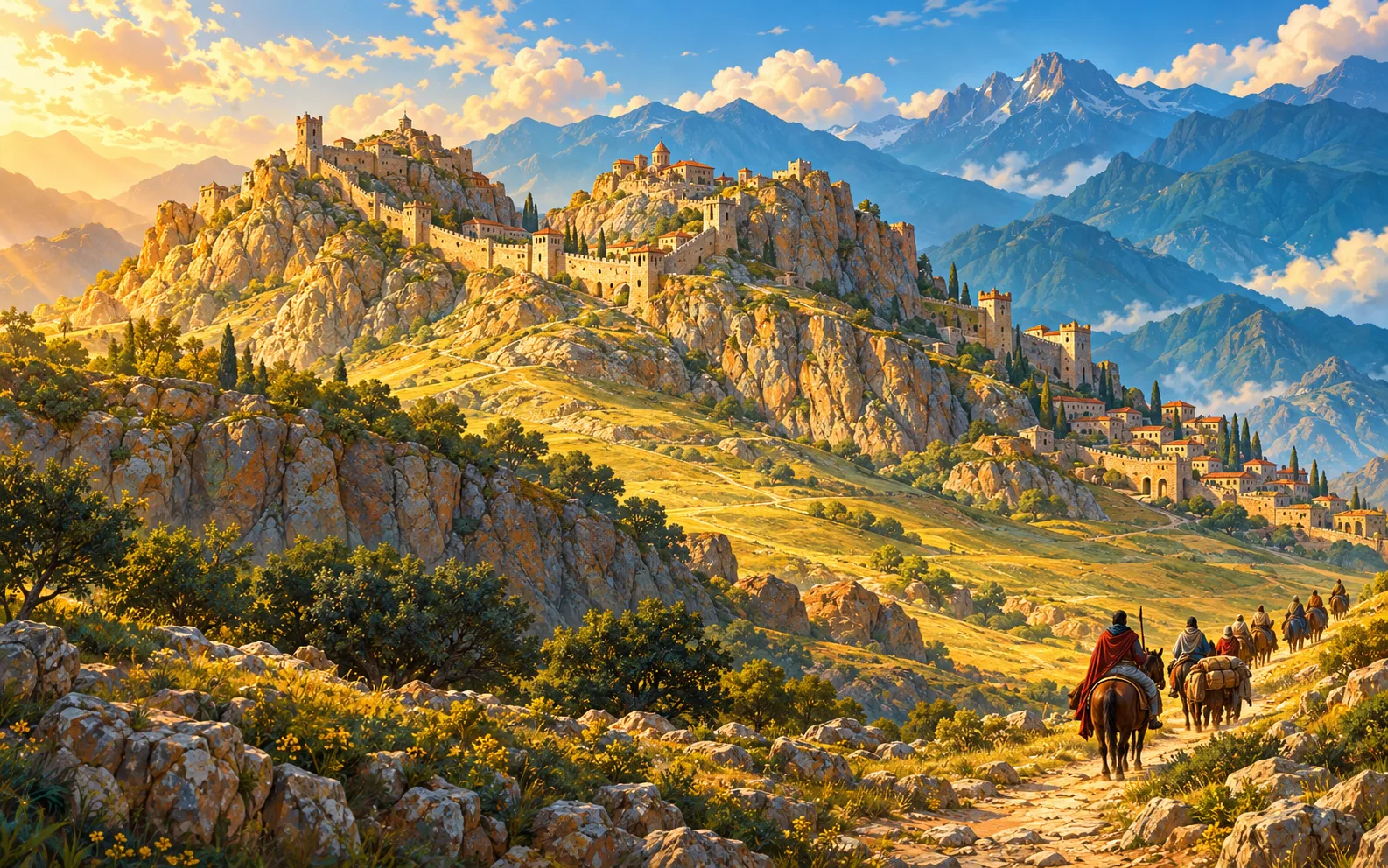
Armenian communities and noble families established themselves in Cilicia through successive migrations and political changes. Around 1080, Ruben I founded a principality in the Taurus Mountains. His successors expanded toward the Cilician plain, negotiating and fighting with Byzantium, neighbouring rulers and Crusader states.

The principality became a kingdom in 1198. This distinction matters: the Rubenid princes of the 11th and 12th centuries were not yet crowned kings. Cilicia created a new setting for Armenian statehood, linking mountain strongholds with Mediterranean ports and international diplomacy.
Rubenids and Levon the Magnificent

Rubenids and Levon the Magnificent

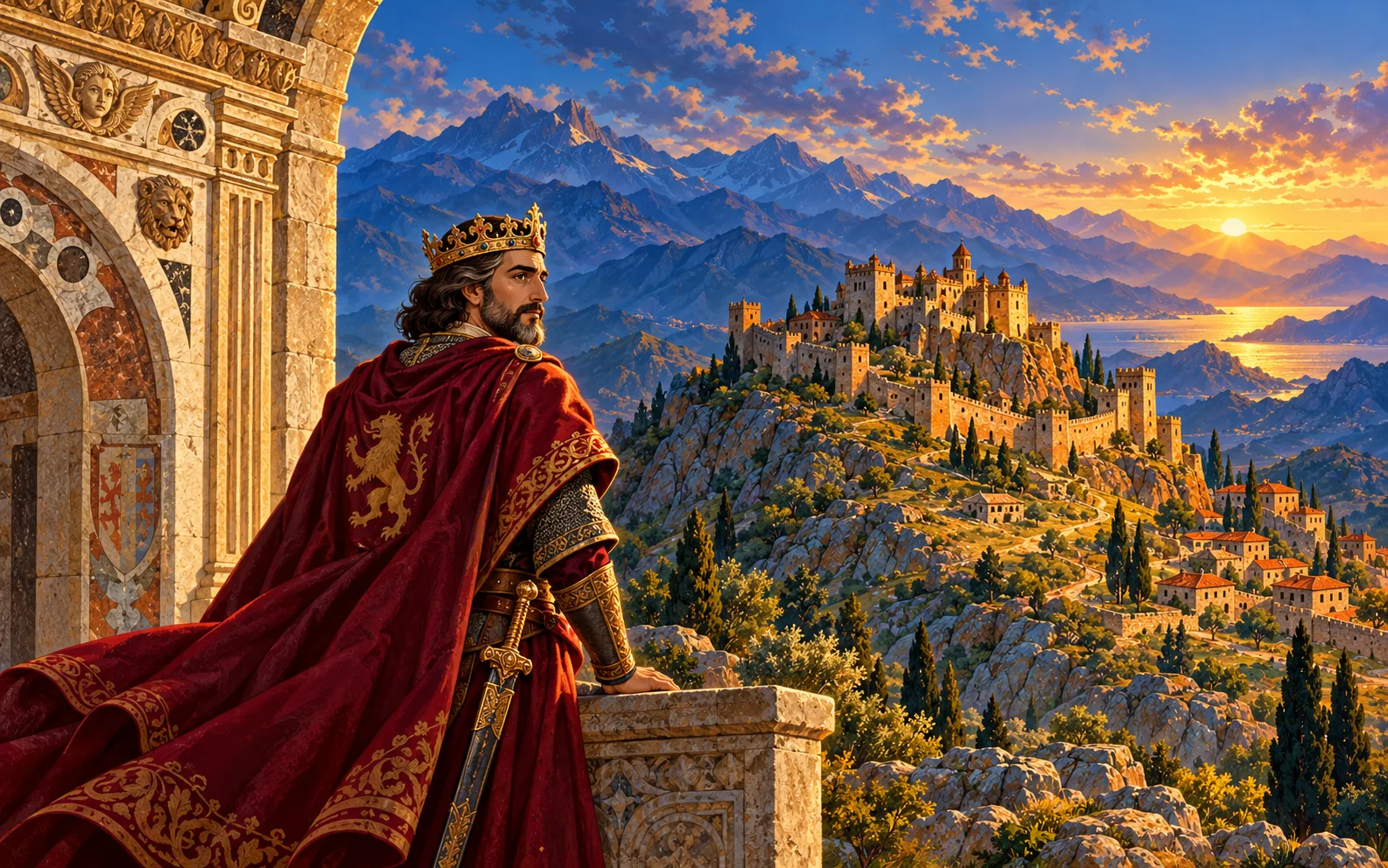
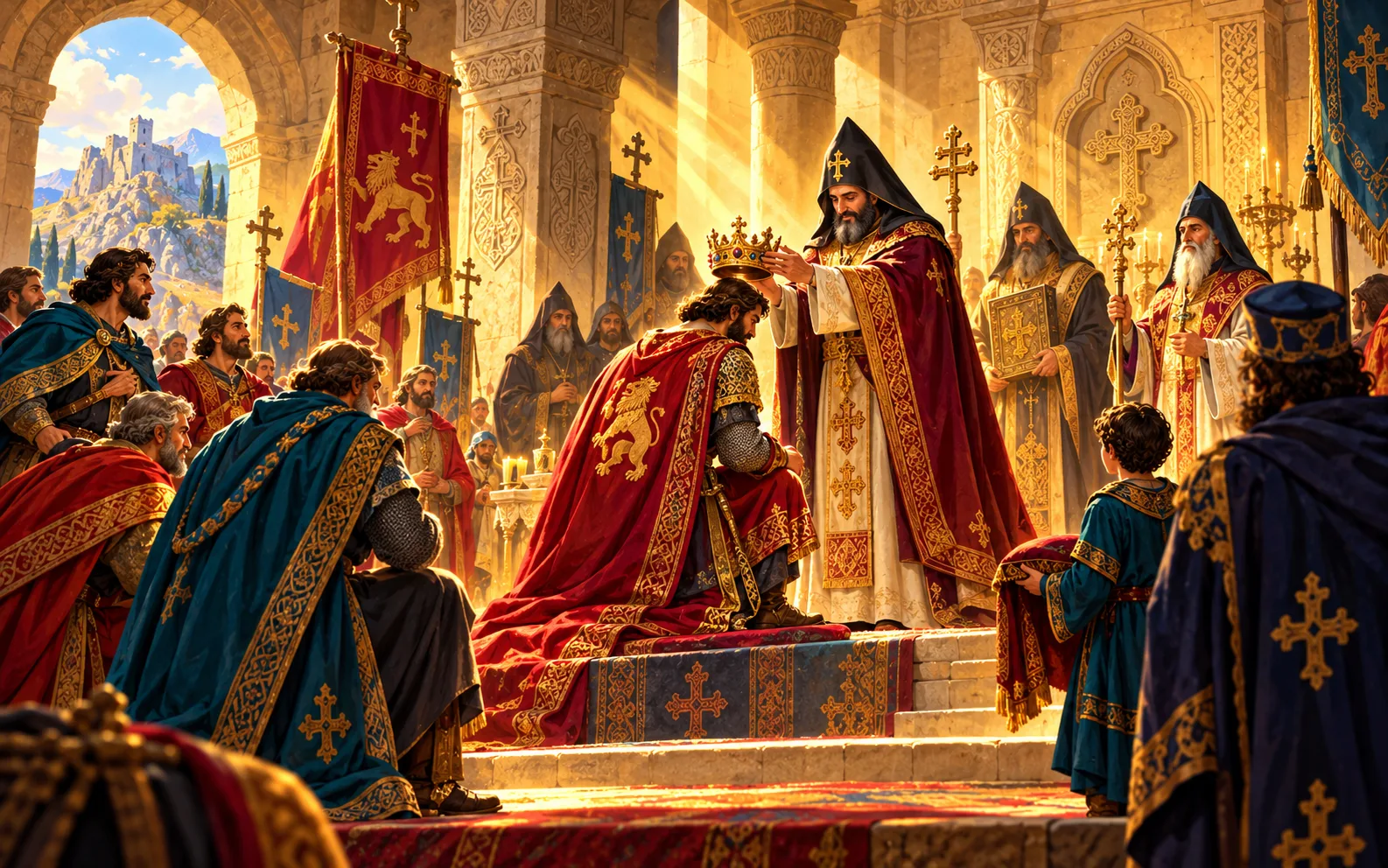
The Rubenid house consolidated the principality through fortresses, alliances and territorial expansion. Levon the Magnificent, known as Levon II as prince and Levon I as king, secured royal recognition and was crowned at Tarsus in 1198.

His reign strengthened administration, commerce and diplomatic contacts with Western powers. Sis became the kingdom's principal capital. Relations with neighbouring Crusader states included both cooperation and rivalry, while the Armenian Church remained central to the kingdom's identity.
Queen Zabel and Hetum I

Queen Zabel and Hetum I

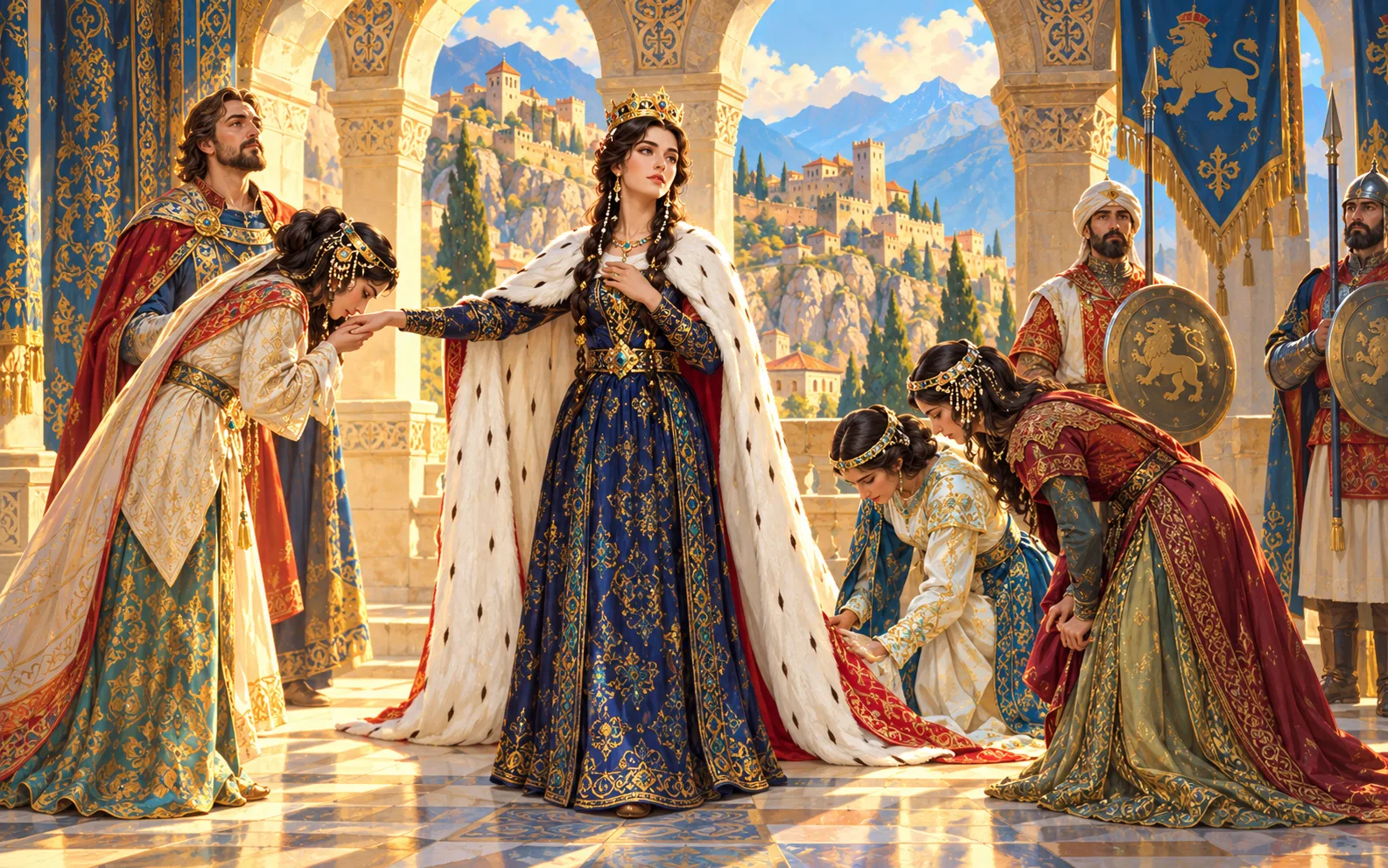
Levon's daughter Zabel inherited the throne in 1219. Her marriage to Hetum in 1226 joined the Rubenid royal line with the Hethumid house and shaped the next phase of the monarchy. Their joint presence on coinage offers a striking expression of dynastic continuity.

Hetum I sought security through an alliance with the Mongols and travelled to their court in 1254. This policy opened diplomatic possibilities but also tied Cilicia to wider conflicts, especially with the Mamluk sultanate. Alliances offered support without guaranteeing the kingdom's survival.
Trade, law and illuminated manuscripts

Trade, law and illuminated manuscripts

Ayas became a major port connecting Mediterranean merchants with inland Asian routes. Customs revenues, agricultural production and crafts supported royal government. Contacts with Latin, Byzantine and eastern societies shaped institutions while Armenian language and religious traditions remained influential.

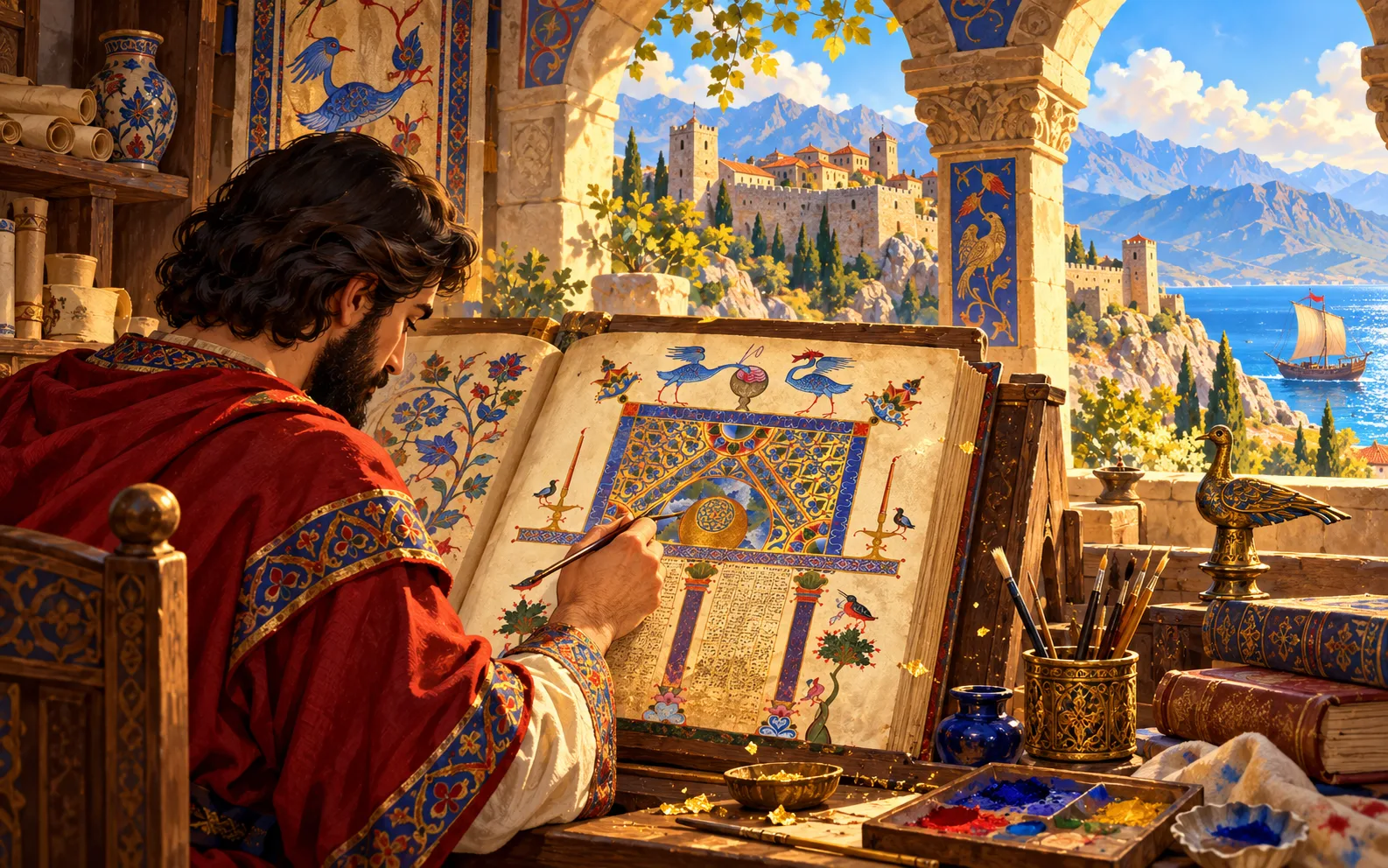
Cilician legal culture included the work of Smbat the Constable. Monastic and court workshops produced outstanding illuminated manuscripts, with Toros Roslin among the most celebrated artists. Hromkla was an important ecclesiastical and artistic centre, while fortified sites such as Sis and the Taurus castles protected political power.
The last rulers and the fall of Sis

The last rulers and the fall of Sis

Repeated Mamluk campaigns, internal disputes and weakening alliances reduced the kingdom's resources. Later rulers of the Lusignan house inherited these pressures. Levon Lusignan, conventionally numbered V and sometimes VI, ruled in 1374–1375 as the final king in Cilicia.

Sis fell to the Mamluks in 1375. Levon was taken captive, released in 1382 and spent his remaining years in western Europe seeking support. The loss of the capital ended the kingdom, although Armenian communities and cultural institutions continued.
A lasting Cilician inheritance

A lasting Cilician inheritance

Cilicia left castles, manuscripts, coins, legal texts and a record of far-reaching diplomacy. Its history illustrates how Armenian statehood adapted to a new geography while remaining connected to older traditions.

The kingdom's legacy is not confined to its final defeat. Maritime commerce, multilingual contacts, artistic patronage and the political role of rulers such as Zabel and Hetum remain essential to understanding the wider medieval Armenian world.

Photography Archive

Gallery

Explore more entries

Back to Icons of History